
CREATIVITY
EXPERTISE
What Is Graphic Recording? A guide & brief history.
The Complete Guide to Visual Thinking in Business
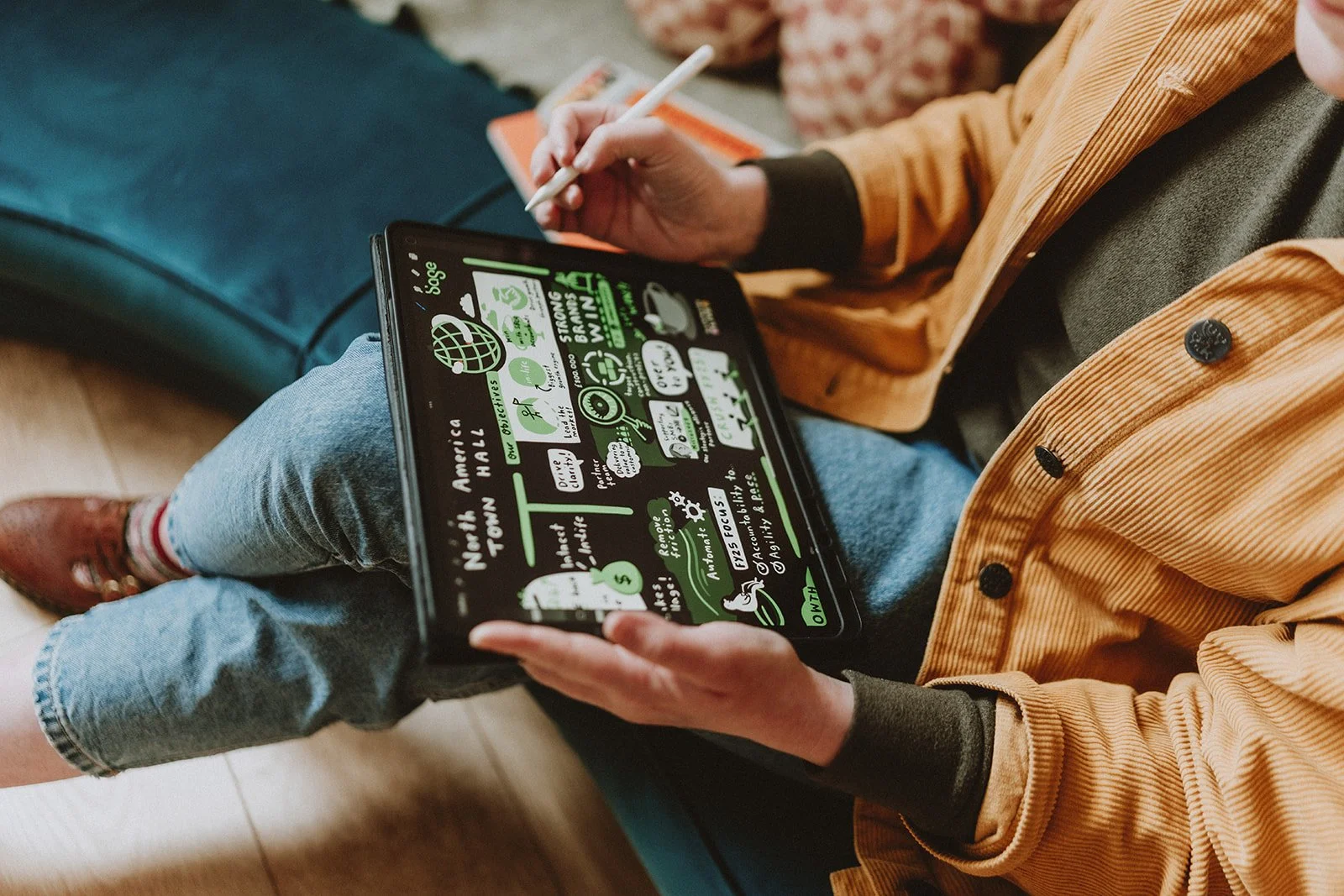
Graphic recording is the real-time translation of spoken ideas into visual form — combining drawings, text, icons, and visual metaphors to capture conversations as they happen. Also called live illustration, visual note-taking, or scribing, it transforms meetings, conferences, and workshops into memorable visual experiences.
But that definition barely scratches the surface.
This guide covers what graphic recording actually is, where it came from, why it works, and why it matters more than ever in an age of AI-generated content.
What Does a Graphic Recorder Actually Do?
·
What Does a Graphic Recorder Actually Do? ·
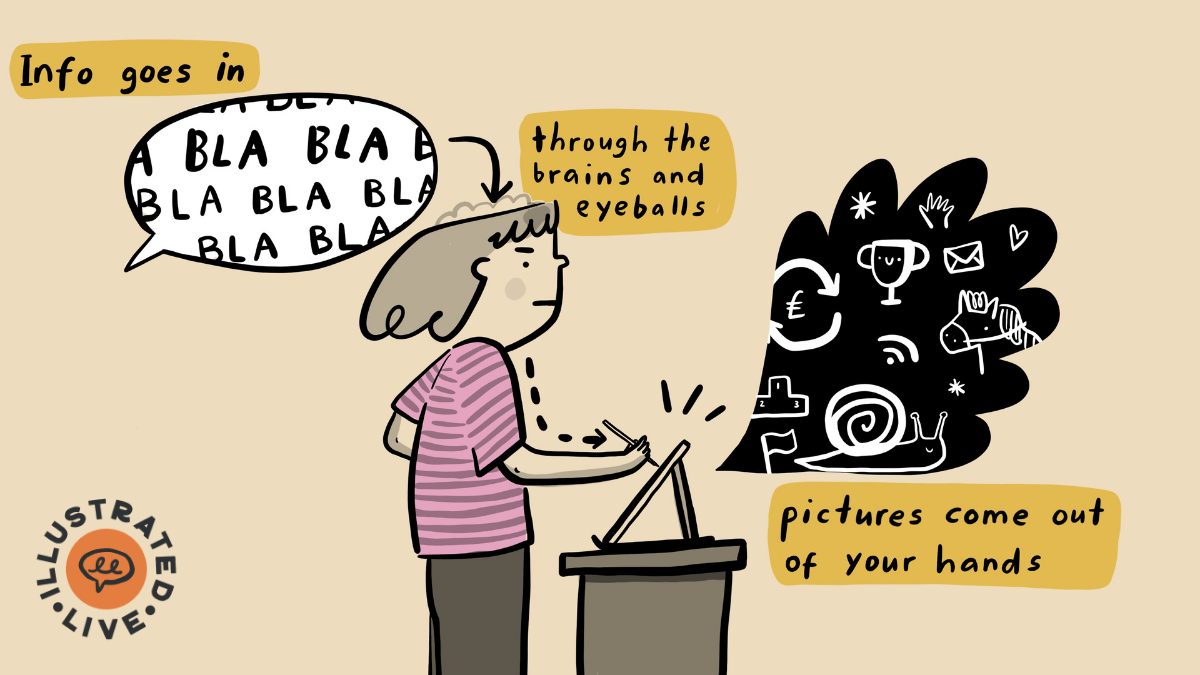
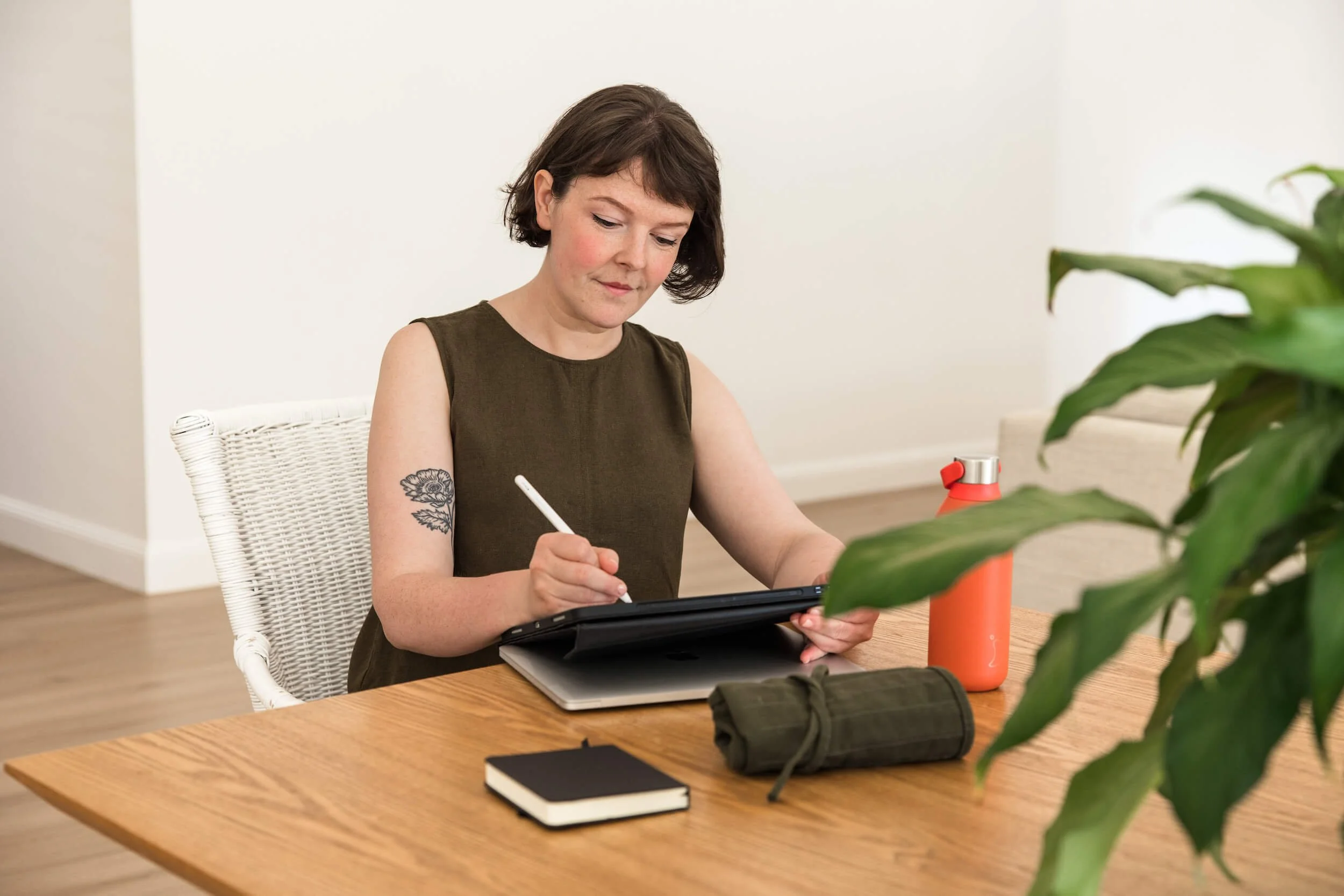
A graphic recorder listens to conversations, presentations, or discussions and simultaneously translates them into large-scale visuals. This happens in real-time. The audience watches the visual emerge as the conversation unfolds.
The process involves 3 simultaneous skills:
-

Active listening
Identifying key themes, insights, and memorable phrases
-

Real-time synthesis
Organising information into a coherent visual structure
-

Visual translation
Representing ideas through drawings, icons, typography, and metaphor
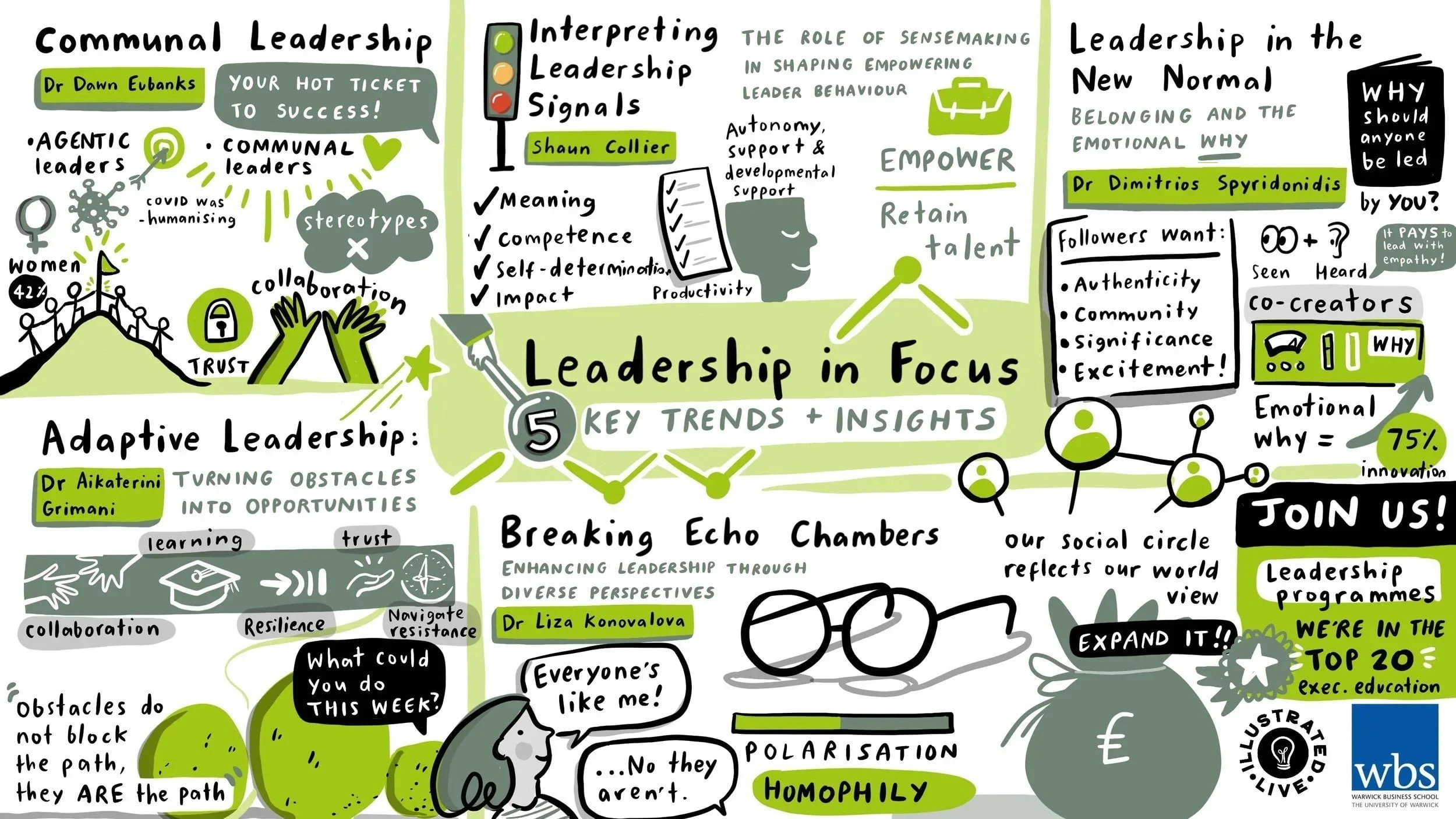
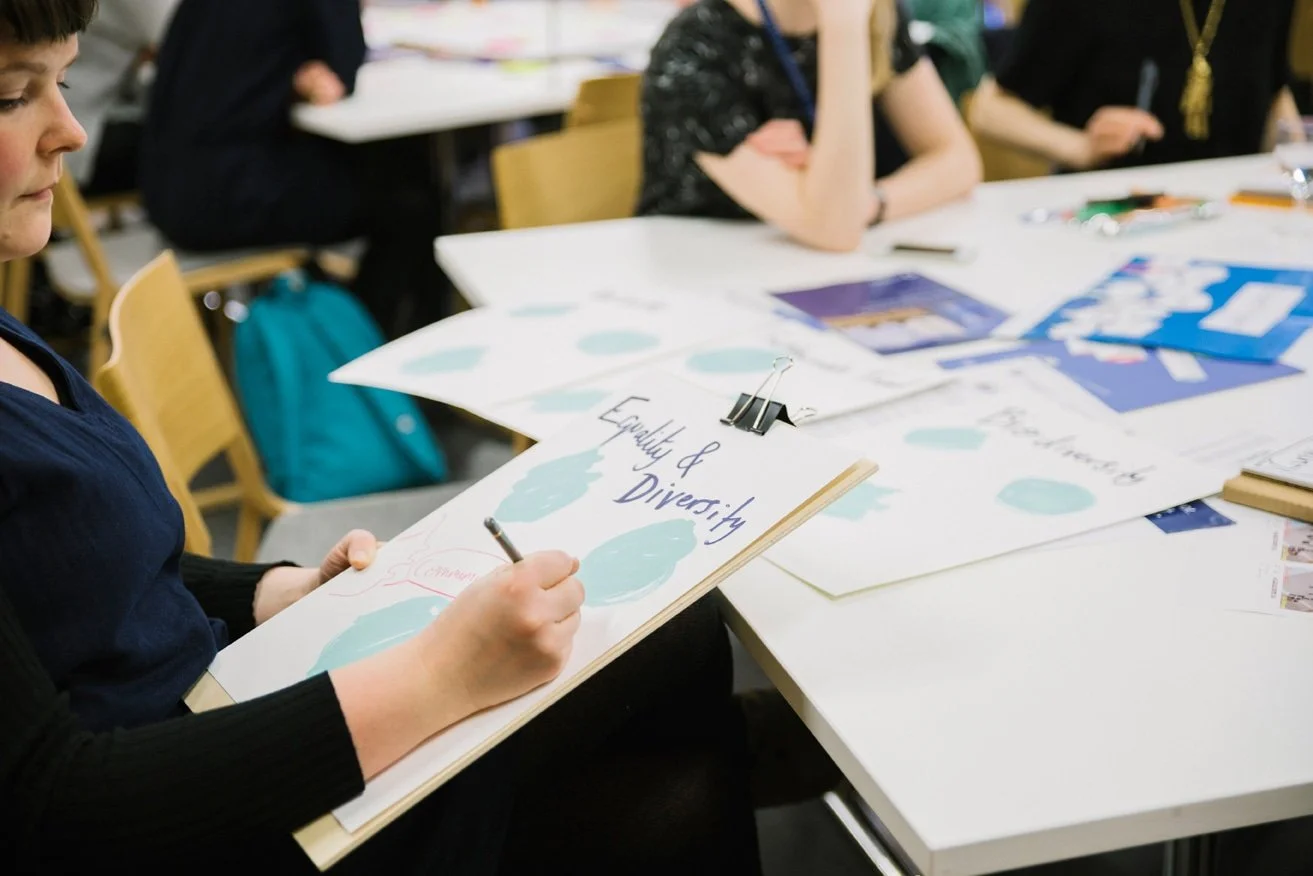
The output might be a large paper mural created with markers, a digital illustration on an iPad projected onto screens, or a virtual capture shared via Zoom. Regardless of format, the core purpose is the same: making thinking visible.
Graphic Recording vs. Graphic Facilitation
These terms are often confused, but they describe different roles:
Graphic recording is primarily documentary. The graphic recorder captures what's being said without directing the conversation. They're a visual witness to the discussion.
Graphic facilitation is participatory. The graphic facilitator actively shapes the conversation, using visuals as a tool to guide group thinking, surface tensions, and drive toward decisions.
Many practitioners do both, adjusting their role based on what the client needs.
The History of Graphic Recording:
How Architects Changed How We Meet
Most articles about graphic recording skip its history entirely (or get it wrong 🤪). Understanding where this practice came from gives us some clues as to why it's so effective. Here’s a bit more on the history of graphic recording.
The San Francisco Origins (1970s)
Graphic recording as a professional practice began in the early 1970s in San Francisco. The pivotal organisation was Interaction Associates, founded in 1969 by David Straus and Michael Doyle — both former architects.
Their architectural backgrounds were foundational. Architects naturally think in large-scale visuals and spatial arrangements. They're trained to make the invisible visible through drawings, models, and diagrams.
Straus and Doyle developed what they called "group memory" — the practice of capturing meeting discussions on large sheets of butcher paper hung on walls. This visual documentation served as the collective memory of the group, preventing the common problem of people forgetting what was agreed, or arguing about what was said.
Their 1976 book How to Make Meetings Work (which has sold over 600,000 copies) popularised these facilitation techniques, though graphic recording as a distinct service was still emerging.
The Pioneer Network
Several other pioneers were experimenting simultaneously in the San Francisco Bay Area:
Geoff Ball and Doug Engelbart at SRI International were researching "explicit group memory"
Joe Brunon, another architect, developed an approach called "Generative Graphics"
Fred Lakin, a Stanford art and philosophy student, created tools for visual experimentation
David Sibbet would go on to found The Grove Consultants in 1977 and become known as "the father of visual facilitation"
These practitioners combined insights from architecture, design thinking, computer engineering, art, and psychology. The interdisciplinary foundation gave graphic recording both practical utility and conceptual depth.
The Democratised Approach
In the early days, the roles of graphic recorder and facilitator were often combined. This necessitated that drawings be simple, fast, and easy to produce. The result was a democratised approach to drawing — one that anyone could learn with practice, regardless of artistic training.
This is important: from the very beginning, graphic recording was never about artistic virtuosity. It was about making thinking visible. The drawings were functional, not decorative.
Corporate Adoption: The Ernst & Young Moment (1995)
The practice remained relatively niche until 1995, when MG Taylor Corporation (founded by architect Matt Taylor and educator Gail Taylor) introduced Ernst & Young to their DesignShop methodology.
Five EY partners attended MG Taylor's Wharton DesignShop at the University of Pennsylvania. Impressed by what they saw, EY licensed the MG Taylor methodology and invested millions of dollars to create Accelerated Solutions Environment (ASE) centres worldwide.
Suddenly, graphic recording was in front of Fortune 500 companies globally. This created massive demand for practitioners. When EY sold their consulting practice to CapGemini in 2000, the ASE methodology continued, and still operates today!
This corporate adoption marked what Kelvy Bird (author of Generative Scribing) calls the "third wave" of visual facilitation — a shift toward more personalised, artistic scribing that incorporated illustration, design, and individual style.
The Professional Community Emerges
In 1995, Susan Kelly and others began hosting annual conferences for visual practitioners. Jennifer Hammond Landau coined the term "visual practitioner" at one of these gatherings. The International Forum of Visual Practitioners (IFVP) was formally incorporated in 2002 and remains the largest professional organisation in the field.
Digital Transformation (2010s-Present)
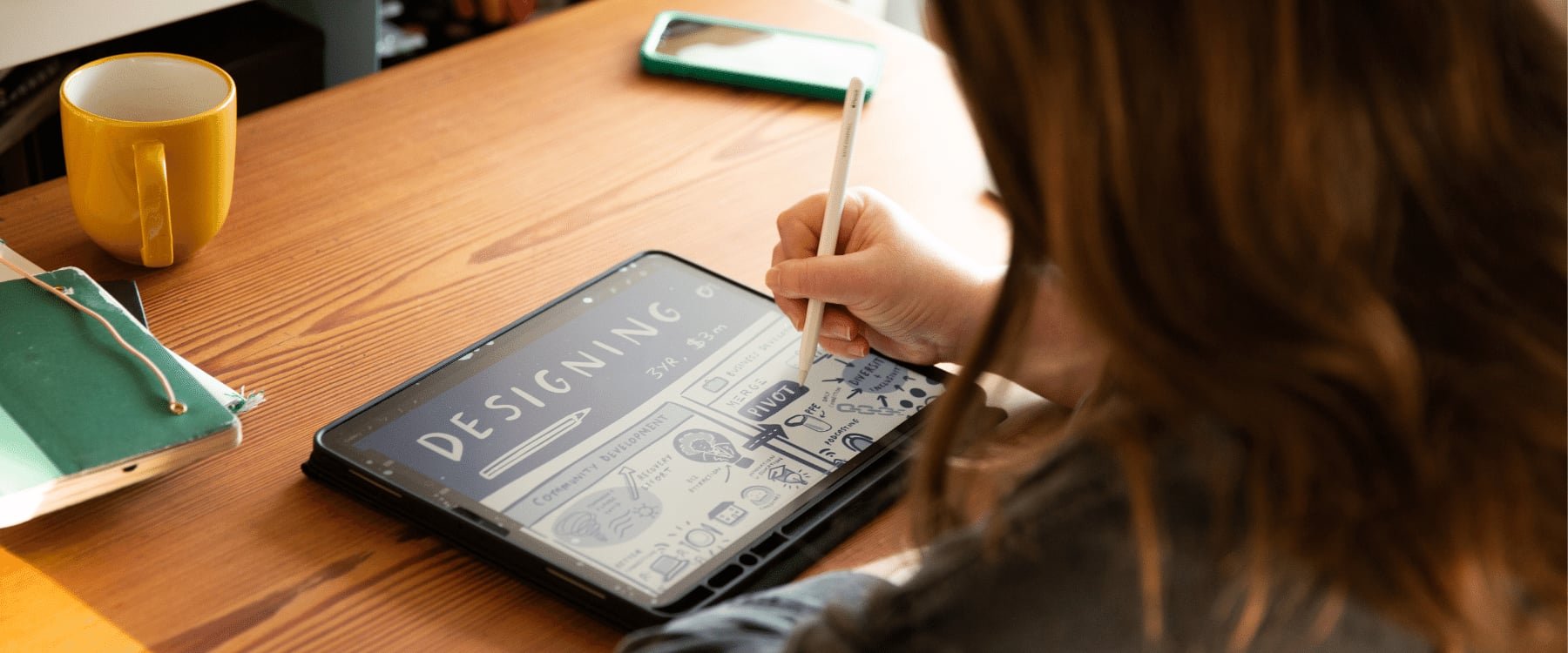
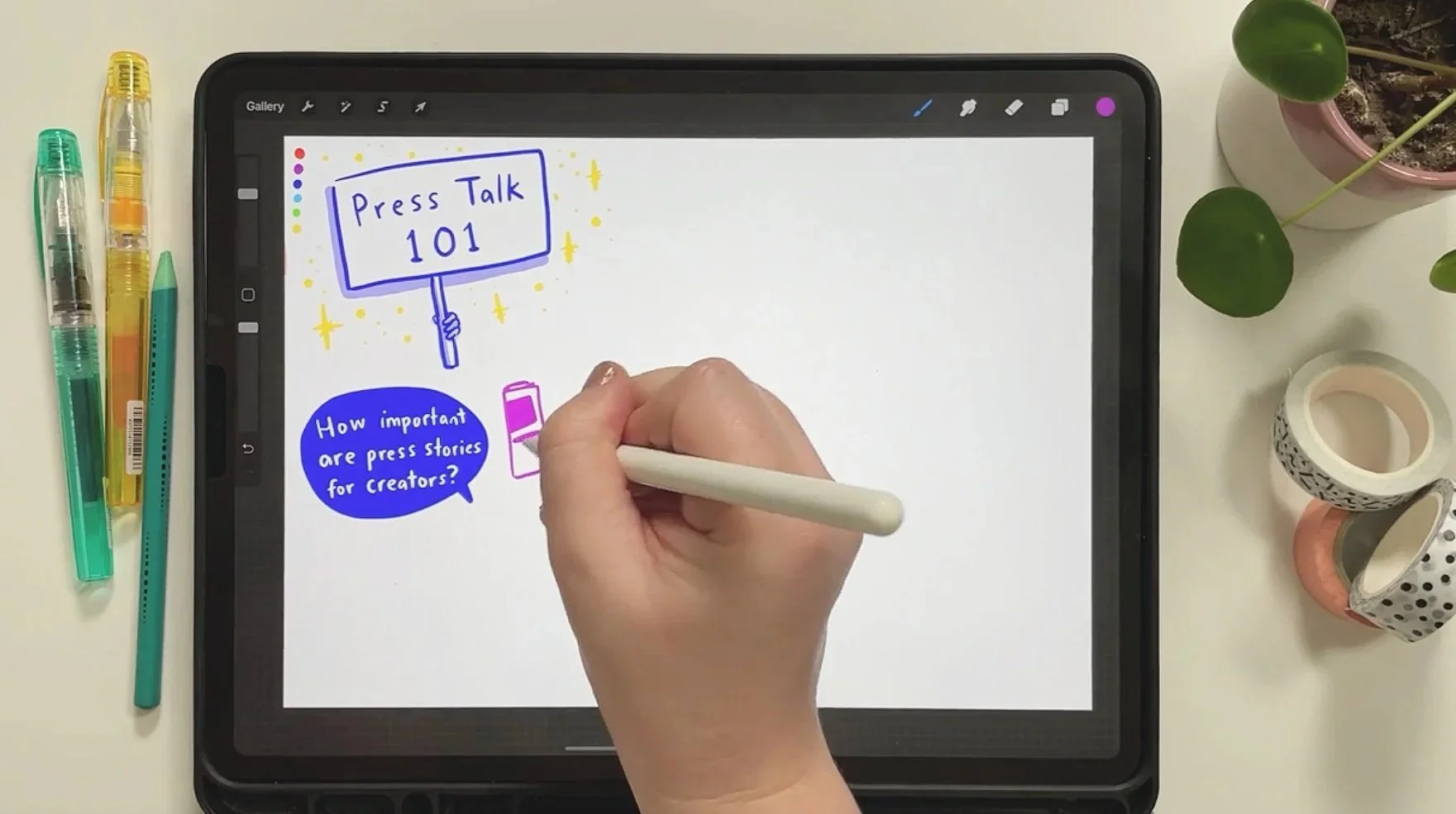
The iPad Pro and Apple Pencil transformed graphic recording from around 2011 onwards. Procreate became the industry-standard app, and practitioners developed new workflows: screen sharing via Zoom, immediate file delivery, timelapse videos, and integration with collaborative platforms.
COVID-19 accelerated this shift dramatically. As one practitioner noted: "Before COVID there was only one type of scribing — showing up with big paper. The lockdowns saw us perfect the use of iPads to visualise events virtually."
By 2023, digital capture had become the most popular method even for in-person events.
Why it Works: The Cognitive Science
The effectiveness of graphic recording is grounded in lovely solid cognitive science research. Mmmm, science.
The Picture Superiority Effect
Pictures are remembered better than words. This is one of the most replicated findings in cognitive psychology (Standing, 1973; Stenberg, 2006). When information is presented visually, it creates stronger memory traces than text alone.
Dual Coding Theory
Psychologist Allan Paivio's dual coding theory explains why: when we process both visual and verbal information, we create two mental representations instead of one. The brain can retrieve either the word or the image, giving memory two pathways instead of one.
Retention Statistics
The numbers are amazin’:
Audio only: ~10% retention after 72 hours
Visual only: ~35% retention after 72 hours
Audio + visual combined: ~65% retention after 72 hours
After three days, people retain only 10-20% of written or spoken information, but approximately 65% of visual information.
Learning Improvement
Research from 3M found that visuals can improve learning by up to 400% and "increase human bandwidth" for synthesising new information. Graphics facilitate delayed recall even when initial encoding is equal, and help learners make sense of content while directing attention.
Why This Matters for Meetings
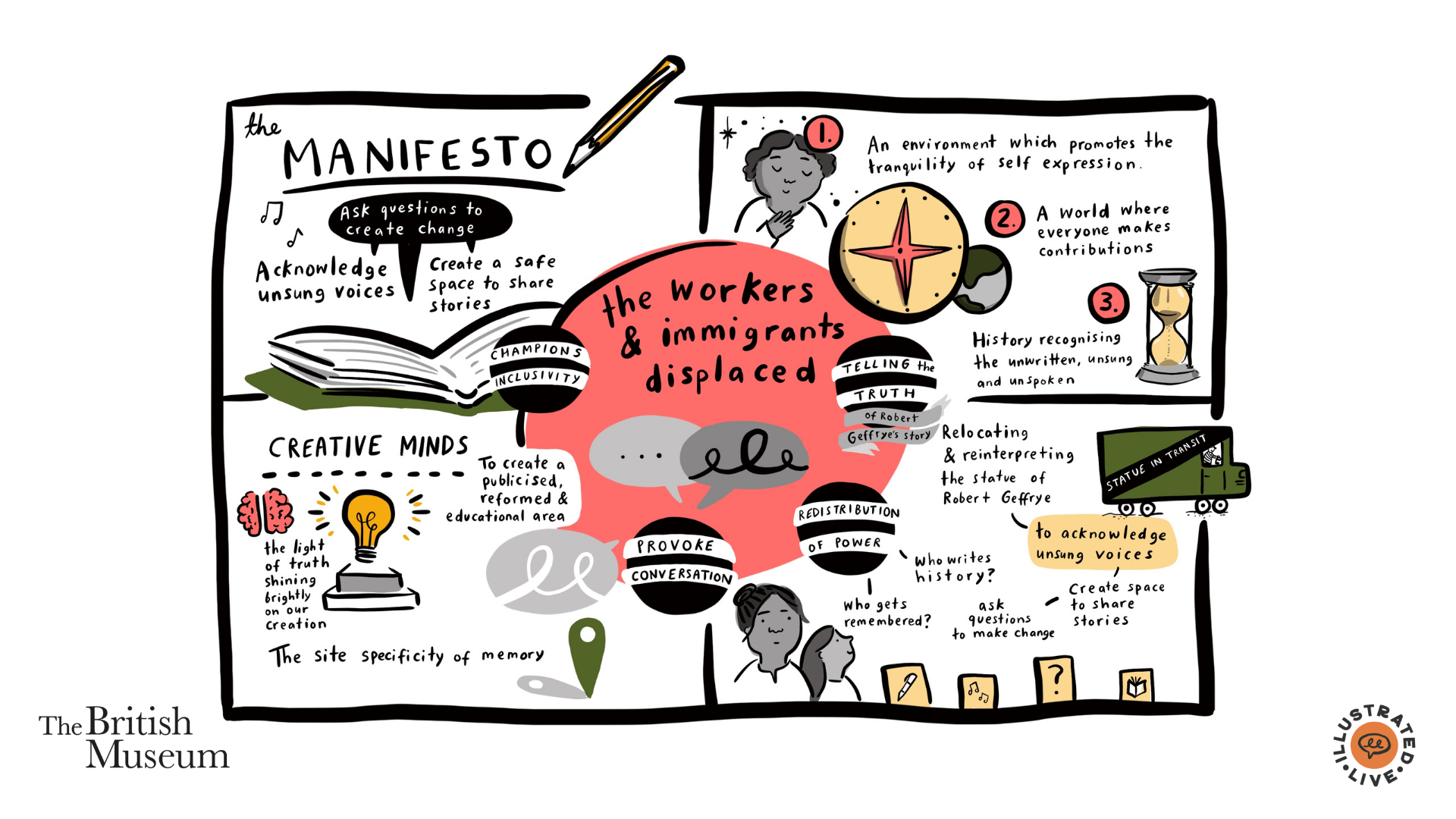
Most meetings rely on audio (speaking) with minimal visual support (perhaps a slide deck). Graphic recording adds a real-time visual channel that dramatically increases what participants remember and understand.
When people see their ideas captured visually, they also feel validated.
This creates engagement and ownership that pure verbal discussion doesn't achieve.
For teams:
Builds alignment through shared visual understanding
Documents decisions and commitments
Makes abstract strategies concrete
Who uses visual note taking at their events?
Live illustrators are used across sectors:
Corporate strategy sessions: Making complex strategic discussions tangible
Conferences and summits: Capturing keynotes and panel discussions
Workshops and training: Enhancing learning and retention
Town halls and all-hands meetings: Creating engagement at scale
Board meetings and executive retreats: Documenting high-stakes decisions
Product launches and sales kickoffs: Energising teams and clarifying messaging
The clients are typically organisations that invest seriously in their people and their meetings: companies that recognise that the cost of a poor meeting or a forgotten strategy far exceeds the cost of making those meetings memorable.
The Business Case: Why Companies Invest in Corporate Conference Artists
Market Context
The global corporate event market was valued at $330.9 billion in 2023 and is projected to reach $730.7 billion by 2035. Within this market, graphic recording serves multiple functions:
During events:
Captures attention and maintains engagement
Helps attendees process and connect ideas
Creates a visual focal point that draws people together
After events:
Provides shareable social media content. (Here at Illustrated Live, we provide a timelapse animation video with every booking - perfect for LinkedIn).
Creates lasting reference materials
Extends the life of conference content
Present dayGraphic Recording in the Age of AI
Here's where it gets reeeeally interesting - and where graphic recording becomes even more valuable :)
The Authenticity Premium
As AI-generated content floods digital spaces, authenticity has become what the California Management Review calls "the new gold standard in branding."
Research shows:
81% of consumers say trusting a brand is a deal-breaker in purchasing decisions (Edelman Trust Barometer)
Only 15% of consumers highly trust AI influencers
Nearly half are less likely to trust content from virtual versus human sources
Consumers are starting to recognise AI-produced visuals and often associate them with lower credibility
In this context, hand-created content signals something AI cannot: human attention, care, and presence.
The Psychology of Hand-Drawn Elements
From a psychological standpoint, hand-drawn designs are perceived as more personal and less corporate, which helps establish trust. The slight imperfections and unique strokes of hand-drawn images reflect human involvement, making them more relatable and engaging.
Hand-drawn works can trigger the brain's response to empathy and warmth. As one branding researcher noted: "The moment one views a drawing created custom, one instinctively knows someone, somewhere, has put much time and thought into making it."
What a human graphic recorder offers, that AI simply cannot
Real-time human presence - A visible artist responding to live conversation creates connection
Contextual synthesis - The scribe integrates content, emotion, and group energy in ways AI cannot
Imperfection as asset - The "hand-made" quality signals authenticity and human care
Social field awareness - Attending to what's emerging, not just what's said
Witness function - Having someone visually document ideas validates participants
As Griot’s Eye observed: "There's no true substitute for being in the room while graphic recording, but even the picture-in-picture ability adds a nice level of human connection to the collaborative nature of this work."
The Trust Equation
In an era where trust must be actively constructed, graphic recording delivers multiple trust signals simultaneously:
-
The drawing accurately reflects what was said.
-
Creation happens in full view, nothing hidden - whether that’s online or on site.
-
A real person invested time and attention in your event.
This combination is particularly valuable in an age of AI scepticism, where brand reputation "can collapse in days when authenticity falters."
How to Hire a Graphic Recorder
If you're considering graphic recording for your next event, here's what to look for:
Key Questions to Ask
What's their portfolio like? Look for work that matches your industry and event type. Style varies significantly between practitioners.
What's their process? Experienced practitioners will want a pre-event briefing to understand your goals, audience, key themes, and success metrics.
In-person or virtual? Both work well, but the logistics differ. For in-person events, consider space requirements for paper or projection screens.
What deliverables are included? Typically you'll receive high-resolution digital files. Some practitioners also offer timelapse videos, animated versions, or printed materials.
What's their background? Many graphic recorders come from illustration, design, or facilitation backgrounds. Some have deep experience in specific industries.
Red Flags 🚩
No pre-event consultation
Unable to explain their process
Suspiciously low fees (expect to pay at least £2,500 per day for an experienced graphic recorder)
Portfolio doesn't match your context
No professional liability insurance (important for confidential sessions)
Unwillingness to sign NDAs when required
What to Expect
A typical engagement includes:
Pre-event briefing (30-60 minutes)
Day-of capture
Digital files delivered within 24-48 hours (here at Illustrated Live we get the final files to you within 15-30 minutes of your event ending, but we’re special 😆)
Usage rights for internal and/or external purposes
Pricing varies based on event duration, complexity, travel requirements, and deliverables. Most practitioners charge day rates or project fees rather than hourly rates - aligning their pricing with the value delivered rather than time spent.
The Different Terms: A Quick Glossary
The field has accumulated various names over the decades. Here's what they mean:
Graphic facilitation — Using visuals to actively guide group discussions (participatory)
Visual facilitation — Broader term encompassing both recording and facilitation
Sketchnoting — Personal visual note-taking, popularised by Mike Rohde's 2012 book The Sketchnote Handbook

Graphic recording
Real-time visual capture of discussions (primarily documentary)

Scribing
Another term for graphic recording (common in MG Taylor tradition)
Live Illustration
Visual capture with emphasis on the illustrative style
In the UK, terms often include "visual" (visual recording, visual facilitation). In the US, "graphic" is more common (graphic recording, graphic facilitation).
Visual note-taking
Often used for personal sketchnoting, but also professional capture
The Future of Graphic Recording
The practice continues to evolve. Current trends include:
Generative Scribing
Kelvy Bird's 2018 book Generative Scribing: A Social Art of the 21st Century represents the leading philosophical edge of the practice. Generative scribing extends beyond documentation to attend to "the field of energy and relation between people, and to the emerging potential of a system."
This approach applies Otto Scharmer's four levels of listening to visual practice: downloading, factual, empathic, and generative. At its deepest level, scribing becomes not just thinking made visible, but a social art that helps groups sense emerging possibilities.
Integration with Digital Collaboration
Graphic recording increasingly integrates with platforms like Miro, MURAL, and Figma, becoming part of the digital collaboration ecosystem rather than a standalone service.
AI as Tool, Not Replacement
Some practitioners are experimenting with AI tools to enhance their work - using AI for reference images, colour palette suggestions, or post-event enhancements. But the core value proposition remains human: real-time synthesis, contextual judgment, and authentic presence.

Summary: Why Live Scribing Matters
Graphic recording is more than meeting decoration. It's a practice with fifty years of development, grounded in cognitive science, and increasingly valuable in a world saturated with artificial content.
At its best, graphic recording:
Makes complex discussions visible and memorable
Creates alignment and shared understanding
Validates participants by showing their ideas matter
Produces lasting artefacts that extend beyond the event
Signals authenticity and human attention in an AI age
The hand that draws is a hand that cares. In an age where machines can generate images instantaneously, the deliberate act of a human creating visual meaning in real-time becomes a powerful statement: this moment, these ideas, these people matter enough to warrant human attention and craft.


Further Reading and Resources
Key Books
How to Make Meetings Work — Doyle & Straus (1976)
Visual Meetings, Visual Teams, Visual Leaders — David Sibbet (2010-2013)
Generative Scribing: A Social Art of the 21st Century — Kelvy Bird (2018)
The Sketchnote Handbook — Mike Rohde (2012)
The Art of Visual Notetaking - Emily Mills (2019)
Organisations
International Forum of Visual Practitioners (IFVP) — ifvp.org (We’re a member!)
The Grove Consultants International — thegrove.com
Historical Resources
Christopher Fuller, "A Brief History of Modern Scribing/Graphic Recording" — Griot's Eye
Christina Merkeley, "The History and Evolution of the Graphic Facilitation/Recording Field"
David Sibbet, "A Graphic Facilitation Retrospective" (2001)

Katie Chappell, founder of Illustrated Live
Katie Chappell has been graphic recording live at events since 2016 and founded Illustrated Live to make information accessible AF. Clients include Google, Netflix, Adobe, Meta, Apple, Johnson & Johnson, Penguin Random House, and the United Nations. Katie is also a co-founder of The Good Ship Illustration, and has published a course on Live Illustration which you can find here.